"I saw few die of hunger; of eating, a hundred thousand." -Ben Franklin

Saturday, June 1, 2013

The Future and Helping Others

I think I'm still in denial about graduating a few weeks ago, which is why I haven't yet addressed the issue of what I'm going to do with this blog now that I'm no longer at Penn.  Perhaps I'll change my name to a symbol and simply become The Blogger Formerly Known as Paleo at Penn.  Or perhaps this will become Paleo at Penn: The Post-Grad Years.  I'm open to suggestions!  But until I figure that out, the name stays.

Now that I'm no longer in school, I'm still trying to figure out what I want to do with my life.  I know one thing, though: I want to help people.  Whether it's working at a non-profit, teaching or tutoring, doing something in the legal industry, or writing, I want to make a difference.  I want to communicate with people, or write for them, or inspire them, or help them in any way that I can.  I want to both learn from and teach others; I want to save the world; I want to impact someone's life.  I love blogging and sharing my experiences because every time someone reads a post and gets inspired, then my life feels so much more fulfilling.  I loved working with kids these past few years because there was so much to teach them, and their excitement about learning new things made me really happy.  I love performing because someone else feels good after listening to/watching my song/piece/role/etc.  I just feeling like I did something-- no matter how big or small-- to help someone else.

I've become really idealistic over the last few years thanks to the ancestral health movement.  We all want so badly to change the world, and we're all trying, one blog post or article at a time.  If you read any success story, it's usually something to the effect of, "I was unhealthy, and then I found [blog/book/website] and my entire life changed for the better."  How awesome is it knowing that someone may have changed their life because of something you said or wrote?  And that's why I love this movement-- we're all seeking to not only better ourselves, but also better the lives of our friends, families, colleagues, and peers as well.


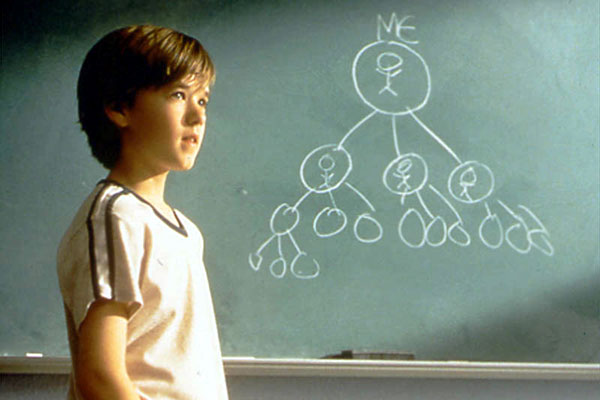
In the movie Pay It Forward, the young main character (played by Haley Joel Osment) says that he's going to help save the world by helping three people, and those three people are each going to help three people, and so on and so on.  He created a massive network of people helping each other, and that's how I feel in this community-- I am so inspired by others to keep helping other people.  Most of my friends still think I'm crazy for voluntarily giving up gluten, but I'm also glad that they send their friends looking to be healthier my way, knowing that I might have good advice for them.  That's the beauty of networking, and that's the beauty of sharing information.


I really don't know what the future holds for me.  My life could go in so many directions right now, which is both terrifying and really exciting.  But one thing is certain: my passion for health won't go away.  This lifestyle changed my life for the better, and it's one of the things I'm most proud of during my college experience.  It's not even just the weight loss, though-- it's the whole mindset.  (Though the weight loss was a great accomplishment-- here's a comparison of my prom senior year of high school and my formal senior year of college.)


So what now?  Well, right now, I'm home in New York and applying to jobs and internships and hoping that someone will take a chance on me.  I'm also hoping that when I do find a job, I'll somehow make a difference there-- in addition to my job's duties, I hope to spread the word about ancestral health (but in a non-preachy way, of course) and inspire others to not only take their health into their own hands, but to also learn more about any number of subjects.  This movement taught me so much about evolution, biology, anthropology, and sociology-- I now think nothing of reading books or articles about those (and many other) subjects.  It also taught me about alternative living, different ways of thinking, and how strong a community can be.  I received a phenomenal educational at Penn, but I also received a phenomenal education (of a different kind) from the ancestral health community.

Always be a student, always ask questions, and always keep learning.

Quote of the Day:
"Education is the most powerful weapon which you can use to change the world."  -Nelson Mandela

Friday, February 1, 2013

Three Things for Three Years

Today marks the three-year anniversay of "the first day of the rest of my life."  It was on this day in 2010 that I decided to take control of my health and really change my life-- at the time, I didn't know how long my newest diet would last, but this one felt different than all of my other attempts.  It quickly became a lifestyle, and here I am in 2013, blogging about it and being able to say that I haven't had bread or pizza or cereal in three years!  So this post will be dedicated to the three biggest things I've learned since February 1, 2010.


1.  It's not always easy, but it's worth it.
I first started my journey about a year before the Paleo/ancestral community really took off; I didn't even know what Paleo was at the time, and I just thought I was eating low-carb real food.  That first semester was hard-- I felt pretty isolated from everyone because food is such a huge deal here, and I had to constantly decline going for pizza or cupcakes or fro-yo.  I wrestled with control issues for such a long time, because I knew (and still know) that I'm a sugar addict, and that one slip-up would completely unravel me.  I know I was way too strict with myself, but I couldn't give in to the "Oh, it's okay, you can just take a bite" thing; giving in to that was what had tripped me up so many times in my life, and I wanted this to be different.  Was saying no difficult?  Absolutely.  Was declining desserts with my friends difficult?  Absolutely, especially since I didn't even want to be around the temptation at all (whereas now, I can go along and just order a coffee or something and be fine with it).  Was trying to find food that I could actually eat difficult?  Absolutely.  But I stuck with it, and it became much easier-- now, it's just second nature.
Despite the social and mental difficulties, it was completely worth it, and not just for the weight loss.  I became passionate about health and nutrition, and I educated myself by reading countless books and papers.  Instead of just knowing how many carbs are in every food on the planet, I learned about chemicals and nutrients and what gluten and sugar do to your body and mind.  Knowledge is power.  I also boosted my immune system, and now I rarely ever get sick, whereas most of my life up until 2010 was spent battling colds.  I became a member of the ancestral community, and I am still so blessed to have met so many people through both the internet and in real life-- everyone is so supportive and wonderful, and I've learned so much from all of them.  I expanded my palate and am now much more willing to try new foods; and unlike when I was a kid and teenager, I love vegetables.  Finally, as I mentioned in my last entry, finding this lifestyle changed my outlook on everything.
So while the initial journey was hard, this was the best thing to ever happen to me.  If you're new to this and finding it difficult, I promise that it gets easier, and you're going to feel amazing!


2.  "Re-examine all you have been told." -Walt Whitman
I knew from my first attempt at Atkins back in 2004 that low-fat and whole grains weren't the key to health, but I didn't really know (or care) about the science at the time.  Fast-forward six years, and my curious collegiate self yearned for real explanations, so I picked up books like Michael Pollan's In Defense of Food and Weston Price's Nutrition and Physical Degeneration, and I learned about GMOs and factory farming and the evils of sugar.  By February 2011, I discovered the Paleo movement and devoured the existing books by Loren Cordain, Art DeVany, Gary Taubes, Mark Sisson, Frank Forencich, and Robb Wolf, and these books-- and the online community that exploded shortly after on Facebook-- educated me more on how wrong the government is about food, the issues with the FDA and USDA, CAFOs, the cholesterol/fat myths, and general evolutionary biology and anthropology.  I realized that so many things in conventional wisdom were completely wrong, and that I can't just listen to what the government and health textbooks tell me.  I watched food documentaries (Food, Inc. and Food Matters, for example) and read academic papers, and spent countless hours furthering my knowledge of health and nutrition.  I realized everything that's wrong with this country's current stance on food, and I decided I wanted to try and change things and educate people.
So please: read and question and read some more and question some more.  Don't believe everything that people tell you, and go out and find your own answers.  In the words of Jack LaLanne, "We don't know all the answers.  If we knew all the answers we'd be bored, wouldn't we?  We keep looking, searching, trying to get more knowledge."


3.  You're not alone.
People who follow this lifestyle are usually seen as radical and crazy.  "What do you mean you don't eat whole grains?  Where do you get your fiber?"  "How do you get your calcium if you don't drink milk?"  "I don't know how you live without bread-- you're insane!"  "Wow, you eat a lot of fat.  You're going to have a heart attack."  I've heard it all, as I'm sure you have as well.  We get attacked for not following government recommendations, we're seen as crazy because we choose not to eat gluten and sugar and processed foods, we're radicals because we eat a lot of fat and animal protein, we're wrong because we dare question the bogus studies about fat and heart disease.  For many of us, we're the only person who eats like this in a swarm of SAD-followers, and that can be really isolating and difficult, especially when many people we know challenge our way of eating or try to peer-pressure us into eating unhealthy foods.  Temptation is everywhere, and it is really hard to get away from it.  But you're not alone-- even if you don't know anyone else in real life who follows this lifestyle, there are countless blogs, forums, Facebook groups, meet-ups, and conferences for people like us.  Paleo might not be mainstream yet, but don't ever think you're alone-- this community is so welcoming and always willing to help, so please don't give up on this lifestyle because you think no one else understands.  I hope that one day we'll be more accepted by society, but until then, find one of these groups, meet other people (even if it's just through e-mail or blog comments!), and realize that there will always be a support group and community for you.        


Quote of the Day:
"Never doubt that a small group of thoughtful, committed citizens can change the world.  Indeed, it is the only thing that ever has."  -Margaret Mead

Sunday, January 27, 2013

How Changing Food Changed Everything

I apologize for my massive blogging hiatus.  Last semester was incredibly busy-- between some really tough classes, a bunch of extracurriculars, and a writing job, I felt like I didn't even have time to breathe!  But I'm back, and I hope to blog more regularly now.  (I recently did a guest blog over at Your Health First-- check it out!)  This is going to be a bit of a personal post, but my journey was most definitely inspired by the ancestral health community.

Up until about six months ago, my plan for after graduation was to go to law school.  From the time I was about twelve until I was about twenty (i.e. right around the time I started this blog and really got into the health community), all I cared about for my future was making money-- I wanted to be a lawyer to the stars, I wanted a swanky NYC apartment, and I wanted to be rich.  Then at some point after I really became passionate about health, I changed my mind.  I didn't care about money anymore; instead, I decided I wanted to represent farmers and fight Monsanto, or work for the ACLU, or get into food politics, or do child advocacy.  I wanted to help people and make a difference!  I saw what this community was doing for people-- everyone was (and still is!) so supportive and helpful, and I got into this "I want to save the world" mentality... which I still have.

When I left for Scotland, I still had plans for law school.  But studying abroad was a life-changing experience for me-- everything got put into perspective, and I realized that I didn't want to deal with three more years of school.  I'm still extremely interested in law (one of my favorite classes this semester is History of American Law: 1877- Present), but right now, law school isn't for me.  Maybe it will be in the future, and maybe one day I will represent farmers or work for the ACLU, but at the moment, I'm looking at a lot of other options.
Once I decided against law school, I realized it was really the first time in my life that I didn't have a plan.  From the time I was a little kid, my plan was to work my butt off and go to an Ivy League school.  Then my plan from middle school until last year was to work my butt off and get into a top law school and then work for a major law firm.  It was kind of liberating, not having a plan anymore-- I have a million interests, and it was really exciting to not know where my future was going to go for the first time ever.  So this past summer was spent really reevaluating my life, and I realized that I love kids (I actually really loved working at a summer camp again, and I don't regret not going for some fancy internship instead), I love health (especially after attending AHS12 and finally meeting everyone!), I love writing and music and theatre.  Do I have any idea what I'm going to do with my life?  Not in the least bit... but I've been applying to education, writing, legal, and non-profit jobs.  I'm happy with anything as long as it makes a difference in someone's life.


If I hadn't gotten into this real food movement, I don't know if any of these changes would've happened.  I wouldn't know anything about food politics or health, and I wouldn't know how awesome it feels to watch a community support each other like this one does.  I truly think my changed eating habits changed everything-- I became less stressed out and less cynical, and more into helping people and trying to save the world.  I stopped hanging out with toxic people, my personality type changed from INTJ to ISTJ (and my Hogwarts house changed from Slytherin to Ravenclaw), and I just felt-- and still feel-- so much better and happier.  It was a massive change, and it was exactly what I needed.

My senior quote in my high school yearbook was from Fame:  "How bright our spirits go shooting out into space depends on how much we contributed to the earthly brilliance of this world.  And I mean to be a major contributor."  I believe in this quote so much more now than I did four years ago, and I truly want to contribute amazing things to this world, regardless of which industry I end up working in.

As I approach three years of this lifestyle in just a few days, I want to thank everyone who has gotten me to this point.  It's still scary that I don't know what I'm doing with my life yet, but I wouldn't have it any other way.

Quote of the Day:
"But she did look back, and I love her for that, because it was so human.  So she was turned to a pillar of salt.  So it goes.  People aren't supposed to look back.  I'm certainly not going to do it anymore."  -Kurt Vonnegut, Slaughterhouse Five

Saturday, September 29, 2012

Paleo at (and around) Penn

I can't believe I'm back at Penn for my senior year.  I'm still not sure where these last three years have gone, but I'm going to make the most of my last year here-- I love this school so much, and I'm definitely going to miss it after I graduate.

This is my sixth semester (fifth at Penn, since I was abroad in the spring) eating clean/Paleo/ancestral-- when I first came here, I lived on sandwiches and pizza and pasta in the dining halls like many other students.  But when I made the huge lifestyle change, I found that the dining halls here are surprisingly Paleo-friendly-- in fact, Penn was just ranked #22 on the Best Colleges for Food in America list!  But Paleo is about more than just avoiding certain foods: it's about high-quality and fresh ingredients.  The Bon Appetit food company that supplies the dining halls really stresses farm-to-table eating-- almost everything is local, organic, and humanely raised, and I can always find fresh fruits and vegetables.  After huge renovations this summer, Penn got rid of Subway and other fast food places under one of our main dining halls and added in one of my new favorite spots, Fresh on the Walk, which has a wonderful salad bar and even sells coconut water!  They also added in a market called Gourmet Grocer which sells-- I kid you not-- GRASSFED BUTTER!!!!!!!  Way to go, Penn-- this is a huge step in the right direction!
University City also has some pretty awesome farmers' markets.  There's one right in front of the Penn Barnes & Noble every Wednesday, and the nearby Clark Park has a much bigger one on Thursdays and Saturdays that has everything from produce to honey to meats to chocolates!  Given Philadelphia's obesity problem, I think the availability of healthy, local, fresh foods is a great first step in fighting the issue-- though it'll certainly take a lot more than just a few markets, the fact that Philly isn't devoid of real food is amazing.  For more information on Philly's farmers' markets, check out Farm to City.  For more information on eating local in Philadelphia, check out Farm to Philly and Eat Local Philly.
In addition to these farmers' markets, University City has quite a few fruit trucks/stands-- I particularly like the ones on 36th and 37th and Spruce, and 40th and Locust.  There are some other ones around Penn's campus too-- check them out here.


People often ask me where I eat around here that's Paleo-friendly and not a chain restaurant (like Chipotle or Jimmy John's).  While I don't eat out much in general, there are a few wonderful places that stress the  farm-to-fork philosophy, such as:
-White Dog Cafe (34th and Sansom)-- uses almost all sustainable, organic, seasonal, and local ingredients.  It has a great menu, fantastic atmosphere, and reasonable prices, and I highly recommend it to everyone.
-Sweetgreen (39th and Walnut)-- a casual salad place with all local and organic ingredients.  For more information, read my review here.

The Harvest Seasonal Grill is opening this weekend at 40th and Walnut, and it also stresses seasonal, fresh ingredients.  I'll most definitely review it at some point this semester, but if you're in University City and happen to check out, let me know what you think!

I'm really proud of Penn and University City in general-- there have been such massive improvements in the local food situation since I started here three years ago, and I can only hope that it gets even better!

Quote of the Day:
"At home I serve the kind of food I know the story behind."  -Michael Pollan

Wednesday, August 15, 2012

AHS: The Big Picture

My last three posts were play-by-plays of the Ancestral Health Symposium;  they were mostly just the typed-up and grammatical versions of the notes I took over the three days.  And since I took a ton of notes-- and each of the posts was pretty long-- I'm going to now discuss some of the major themes of AHS12.

1.  There is no "one size fits all" Paleo/ancestral diet.
Nearly every speaker at the conference said that (and many of them said those exact words), and it's so true!  The hot topic was the inclusion (or exclusion) of starches (see my Day 2 recap for the 'Safe Starches' panel), but supplementation, ketogenic diets, carb cycling, intermittent fasting, and varying macronutrient ratios were all discussed as well.  The bottom line is to self-experiment and see what works for you!


2.  Eat fat.
So many talks (such as the ones by Emily Deans, Nora Gedgaudas, and Elizabeth Thiele) discussed the ketogenic diet and its many benefits, and many others (such as Robert Lustig's, Denise Minger's, Peter Attia's, Gary Taubes's, and Grayson Wheatley's) talked about how fat has been vilified and actually doesn't clog your arteries/cause heart disease/make us fat.  Miki Ben-Dor's entire talk discussed how we're adapted to eat fat!!  Eat your bacon (the most nutritious pork product!) and eggs and meat-- just avoid sugar and processed crap and grains/legumes instead.

3.  The future of the ancestral movement and food policy is up to us.
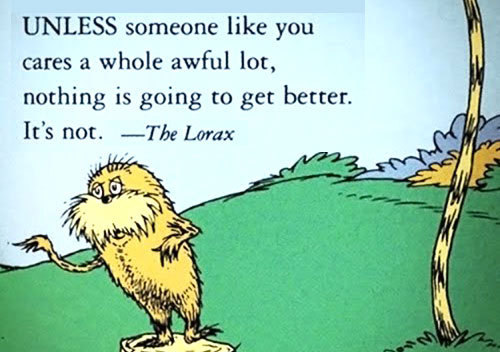
Whether it was Robb Wolf ("Somebody needs to start this, and it's gotta be us"), Terry Wahls ("You guys are the doctors of the future"), or the entire 'Fix Our Food Initiative' panel (Change will come about by "a whole social network of people doing this at a grassroots level"), everyone was in agreement that the future is up to us.  We should get involved in the government (whether federal, state, or local) to push for changes in food policies, open up dialogues with our doctors about ancestral health, join CSAs and buy/eat locally, and keep spreading our message.  I was watching The Lorax the day after AHS, and the following quote really made me think about the conference and the ancestral movement in general.

4.  Avoid sugar.
Sugar is a toxic drug (see Dr. Lustig's talk from Day 3) and spikes insulin and causes inflammation (as discussed by Gary Taubes, Lynda Frassetto, Emily Deans, and many others).  We should only get our sugar/carbs through natural sources, such as fruit (or, more controversially, "safe" starches).

5.  Paleo isn't just a diet-- it's a lifestyle.
Although the majority of the talks at this conference were about food (or food policy/politics, or food for performance), there were a few that really embraced the lifestyle aspects of the ancestral movement.  Peter Gray encouraged us (and our children) to play more;  Esther Gokhale discussed the role of proper posture; Joel Salatin reminded us that "we are part of nature" and "life is more mystical than a cyberspace video game";  Boyd Eaton talked about how "relationships are more important than material success"; Frank Forencich explained Ubuntu ("we are people through other people"), and that the Paleo elements are "mind, body, spirit, land, ancestors, tribe."  There are so many other aspects of health than just food and exercise!!      

6.  Knowledge is power.
Many of the talks discussed bad science (such as Denise Minger's and Peter Attia's) and bad government recommendations (all of the food policy panels, Grayson Wheatley, Robb Wolf, Robert Lustig, Lynda Frassetto, etc.) and how we should arm ourselves with proper science and always ask questions!  Dr. Kelles told the crowd, "Be a devil's advocate with yourself: the more we question our own thoughts, the more successful we'll be", and Paul Jaminet said, "If we don't ask these hard questions, no one's going to listen to us."  We should experiment and look at all sides of an argument, and we should never just blindly listen to anything.  Read, question, hypothesize, tweak, and always seek more information!

There were certainly a lot of other themes of the conference (the government and Big Pharma/Agribusiness are connected, we are totally disconnected from the modern world, the poor health of this country is going to keep getting worse...), but I'd say the above are the six biggest ones.  I also think this conference solidified that all of us involved in the ancestral movement make up one big tribe, and we have the common goal of wanting to help each other and the world through the ancestral lifestyle.  I had such an amazing time at AHS, and I really hope to attend next year's!

Quote of the Day (from Dr. Terry Wahl's presentation):

Tuesday, August 14, 2012

AHS: Day 3

I know I said I'd do a three-part series of AHS12, but I'm actually going to do one more post after this that covers the main take-away messages of the conference and my thoughts on the experience as a whole.

Day 3 was absolutely incredible-- it was definitely my favorite day of the conference!  The first presentation I went to was Mark Sisson and Robb Wolf's "Paleo Primal Q&A" session.  Seeing these two guys together was amazing!
-Sisson:  "Paleo, primal, ancestral... let's call the whole thing off!"  On supplements:  "It's less and less critical to supplement the closer you get to ideal body composition."
-Wolf:  There is a lot of individual variability with supplementation-- you have to factor in stress, extenuating stories, etc.  "We have a template, and we should then look at our individual circumstances."  On sleep:  Be in a pitch-black room and have really good sleep hygiene and consistency.  "When we reverse metabolic problems, we antagonize the production of cortisol."  Plasma and magnesium go up for people in Epsom salt baths.  Sleep disturbances in police officers are the major causes of the officers getting into dicey situations.
-Sisson:  When it comes to icing, some amount of heat works better; however, for chronic inflammation, soaking in cold tub would be better.  He's not a fan of chronic icing post-trauma.  The orthopedic community is now getting people moving right after an injury to speed up recovery.
-Wolf:  Systemic effect of jumping in an ice bath is different than the acute icing of an injury.
-Sisson:  On carbs:  The less glucose you burn in a lifetime, the better off you are.  However, "I wouldn't necessarily plan the rest of my life to be ketogenic."
-Wolf:  Caloric restriction in humans is probably not going to extend life.  We can do a cyclic, low-carb approach, which leads to a hormetic effect, which is beneficial for long-term health.  We also need to tinker with our eating approach to find what works.
-Sisson:  On gender differences:  Women tend to hit a plateau sooner than men.  "It's a sign that your body is saying, 'I love what you've done with the place.'"
-Wolf:  On scales:  "You put a bow on it and find someone you hate and give it to them."  When we focus on performance and not aesthetics, our problems go away.  On intermittent fasting (IF) and the use of pure protein throughout it:  it antagonizes cortisol, which increases testosterone.  If you have a stressful lifestyle, be careful with IF!
-Sisson:  He only IFs when it's forced on him (i.e. when traveling).  It's purposeful, and it's good for people who want to lose a lot of weight or get the anti-aging benefits.
-Wolf:  On professional athletes:  Nutrition is extremely important, and there is some correlation between heart attacks and carb-loading.
-Sisson:  There is an epidemic of heart issues in endurance athletes due to chronic cardio.

The second talk I went to was Dr. S. Boyd Eaton's "Long-Term Paleo:  What Happens if You Follow the Ancestral Health Protocol for Thirty Years?".  Although very anecdotal, I still found his talk pretty informative, and I thought it was also pretty inspirational.
-The ancestral experience does NOT include smoking tobacco.
-We remain adapted for nutrition as it was during the phase of ancestral health.
-Paleo nutrition in East Africa (approximately 50,000 years ago) was most likely 30% protein, 35% carbs (from fruits, veggies, and nuts), and 35% fat, and it would've been high-fiber.  There would've been 2-8 times the amount the average American intake of vitamins/minerals, 4 times the amount of antioxidants, it would've been more basic than acidic, and would've had more potassium than sodium.
-Recreating the ancestral diet in the 21st century is possible in two forms: the weak and strong.  The weak form is for people free of health problems and includes meat, plant foods, dairy (skim milk), alcohol  and whole grains in moderation, and a lot of fiber.  The strong form is for people with resistant health problems-- it is the same as the weak form, except it excludes dairy and grains, and alcohol would be on a trial basis (i.e. the weak form is what we typically consider Paleo today).
-Recreating physical activity would include endurance/aerobic exercise a few times a week, as well as resistance/strength a few times a week as well.
-42% of U.S. males ages 60-70 are on statins.
-The Paleo approach leads to more vitality, a better appearance, and desirable health check-up results.
-"It's human to want some degree of material success", and material success requires "talent, hard work, and good luck."
-Good physical health and a positive self-image enhance talent, hard work, and luck.
-"Relationships are more important than material success."  They can enhance everyone's health!

Next up was Miki Ben-Dor's "Man the Fat Hunger: Animal Fat Storage as  Driver of Human Evolution and Prehistory."  This talk was really cool because it blended both anthropology and archaeology with ancestral nutrition.
-Man was actually a fat hunter:  "If I follow the fat, I'll find the answer."
-Fat was the biggest motivator for what animals the hunters went after.
-Hunting for fat has implication on prey size.
-Some caves in Israel showed evidence of meat-sharing and fire, and there were no bones of elephants in the Levant-- 80% of the animal bones were from deer, leading the archaeologists to believe the people who inhabited the caves were homo sapiens, because Neanderthals only hunted big animals.
-"An experienced hunter could pick out the pronounced curves of the body and eye the sheen of the coat that indicated a fat animal."
-A good hunter stored a huge deal of information to form hypotheses and revise them in order to hunt better.  The change to hunting caused a smaller brain size-- "Farming requires the brain of a small computer program."
-"Evolution gave us the brains to obtain fat."
-Animal fat plays a huge role in everything.  "We have evolved to eat animal fat."

The next talk I went to was "Dietary Therapy: Role in Epilepsy and Beyond" by Dr. Elizabeth A. Thiele, who discussed how putting children on a ketogenic diet really helped their epilepsy, and how dietary therapy can be used to help almost any problem.
-Ketogenic diets are extremely helpful in epileptic patients.  (For a movie discussing this, see Meryl Streep's First Do No Harm.)
-Ketogenic diets in children requires 4 grams of fat to 1 gram combined protein/carbs.
-The diet includes no bread/pasta/grains, no sugar, and no starchy fruits or vegetables.  There must also be a ton of cream, fat, and animal protein.  In order for this to work, the patients must be very vigilant.  1/3 of the children on this diet became seizure-free.
-Other diets used to treat epileptic patients include the Modified Atkins Diet and the Low Glycemic Index Treatment.
-Ketogenic diets are currently the most effective treatment for refractory epilepsy.
-Dietary therapy can be used for cancer, Alzheimer's Parkinson's, ALS, head injuries, and diabetes.
-However, there are some roadblocks:  the restrictiveness of the diet, the requirement of skilled dietitians, and many disbelievers because there's no pill.
-There is a potential benefit of a ketogenic diet for any health disorder.
-Dietary therapy:  "It's better than drugs."
-There is a bias against the word "diet", so it is referred to as "medical therapy."

The next talk kind of blew my mind, and it made me wonder why no one else had ever talked about this topic before.  Hamilton Stapell's "Ancestral Health in Historical Context: From Physical Culture to Primal Life" discussed the "physical culture" movement, which began over 100 years ago in the US and Europe, and was more or less the first Paleo movement.  I met Hamilton later on in the day, and he is a really sharp and nice guy and was more than happy to answer questions on this topic.  (He's a professor at SUNY New Paltz, so if any of my NP friends are reading this, take a class with him!  This guy is awesome!)
-The physical culture movement began around 1905 with the goal to create ideal men and women.  The "ideal" mimicked hunter-gatherers-- these enthusiasts looked to the past to help them.
-Hamilton then listed a ton of components of the movement, so here they are:
1)  Eat Natural Foods.  This was the first time in the modern world that there was a scientific approach to food.
2)  Fasting and compressed feeding window.  (Intermittent fasting!)
3)  Intestinal health
4)  Full-body strength training
5)  Barefoot walking
6)  Physical culture "boxes" (precursor to CrossFit boxes)
7)  Physical culture home gyms
8)  The Physical Culture Exhibition in 1905 at Madison Square Garden (NY) was more or less the first CrossFit games.
9)  Cold exposure
10)  Physical culture and women:  strength training and natural childbirth
11)  Criticism of conventional medicine.  They believed "doctors are 'pill pushers' who treat symptoms."
(I somehow missed #12, but this quote was awesome:  "What does MD stand for?  More Dollars.")
13)  Powered by "new media"
14)  Physical culture "best sellers" in the 1920s helped bring fitness/health into the mainstream.
15)  Physical culture "success stories" helped inspire others.
16)  Sun exposure
-While all of the above sound nearly identical to the ancestral movement, there were some differences:
1) Nudism or naturism:  clothing = weakness.
2)  Correct breathing and air quality
3)  Circulation:  "brain work" (i.e. desk work) => poor care.  They practiced hydropathy and Swedish massage.
4)  There were many types of foodists besides ancestral eaters:  vegetarians, raw foodists, etc.
5)  Mastication (chewing food) was a huge focus-- they believed no swallowing was necessary!  "Nature will castigate those who don't masticate."
6)  Excreta-- proper natural diet = proper poop.
7)  Physical location of the movement:  Dansville (NY) and Harvard College
-Both the physical culture and ancestral movements are reactions to rapid social change; they both seek to return to nature and to have autonomy and control, and both want to create a "sacred place" of our own.
-Will Paleo go mainstream?  He doesn't think so.
---This wasn't in his talk, but when I spoke to him later, he explained why the physical culture movement completely died out:  WWII and the rise of Nazism and fascism wiped out anything that wasn't mainstream.

The last talk I went to before the lunch break was by Dr. Robert Lustig, whose "Sugar:  No Ordinary Commodity" presentation was one of the most informative, interesting, and memorable ones of the conference.  Not only is Dr. Lustig an incredible speaker, but the content was so amazing.
-"Science should drive policy, but politics get in the way."
-Criteria for societal intervention for substance control:  unavoidability, toxicity, abuse, externalities (negative impact on society)
-Unavoidability:  "We're not eating more fat-- it's carbs we're eating more of."  Which carbs?  Soft drinks, fruit drinks-- things with High Fructose Corn Syrup (63 pounds per person per year).  Low-fat processed foods means they substitute the fat with carbs/sugar.  "Virtually every naturally occurring foodstuff has either fat or carbs;  only sucrose/HFCS has both-- fructose (fat) and glucose (carbs)."  Of the 600,000 food items sold in the US, 80% are laced with added sugar.  Adding fructose leads to palatability and is a browning agent; removing fiber increases shelf life and is good for freezing;  the substitution of trans fats is a hardening agent and increased shelf life (but they're now being removed due to cardiovascular disease risk).
-Toxicity:  The world sugar consumption has tripled over the last fifty years.  Worldwide diabetes prevalence rose from 5.5% to 7% from 2000-2007.  "Sugar is a toxin.  Q.E.D. slam dunk, in your face!" The Maillard Reaction (the browning reaction) is associated with sugar consumption, which leads to inflammation.
-Abuse:  Dopamine binding correlates with glucose metabolism in both drug addiction and obesity.  When looking to see if sugar is an addiction, we can look at another addiction (alcohol) and check the criteria:  bingeing, withdrawal, cravings.  There are non-toxic substances that are abused (like caffeine), but the problem is when something is both abused and toxic... like sugar.
-Externalities:  Obesity affects everyone!  When we have less money, we eat more due to pleasure and reward.  Some methods of societal intervention include taxation, restriction to access, and interdiction;  Lustig says we should just cut down and have a peaceful coexistence with sugar (like we do with alcohol).
-Target:  Not just the obese!  40% of normal-weight people have metabolic dysfunction (vs. 80% of the obese), which equals more than 100,000,000 Americans.
-Alcohol strategies haven't worked, and they won't work with sugar.
-"Only about 15% of the US population actually has a brain."
-Strategies that might work:  control on advertising, and counter-advertising.  Strategies that are likely to work:  government agency action!
-The USDA being in charge of our health is like the "fox in charge of the hen house."

After a delicious AHS-provided lunch of grass-fed burgers (with no buns in sight!), veggies, guacamole, and sweet potato fries, the first talk I attended-- "Minding My Mitochondria"-- was by Dr. Terry Wahls, who went from being wheelchair-bound with MS to being able to bike ride more than 18 miles!  The video of her story went viral awhile ago, so seeing her in-person was really awesome.  She is such an inspiration, and I'm so glad she was there to share her story with us.
-There is a link between nutrition and MS.
-"Becoming disabled was the most profound gift I have ever received."  In 2002, she went Paleo after reading some of Loren Cordain's work, but her MS continued to decline.  By 2007, she was disabled.
-Fish oil, creatine, and co-enzyme Q10, as well as other supplements, slowed decline (but she was still declining!).  She then found the Institute of Functional Medicine, which believed that modifiable behavioral factors lead to many diseases.
-She supplemented with vitamins B1, B9, B12, sulfur, antioxidants, omega-3 fatty acids, amino acids, and iodine.  The more fats and antioxidants in your blood stream, the better the brain function.
-There were 31 supplements of vitamins, minerals, fatty acids, etc. in order to help her.
-Americans are starving!  Hunter-gatherers exceeded the RDAs by 2-10 times!
-Ancestral diets have more nutrition per calories than any of the government-sponsored diets.
-Beets, greens, and berries protect blood vessels.  Daily greens decrease your risk of cataracts.  Garlic and onions improve blood fluidity.  Colorful fruits (that is, ones where the color is all the way through, such as berries-- not apples and bananas) and veggies = polyphenols.  Wild fish/more DHA leads to bigger brain and straighter teeth.  Organ meats contain vitamins, minerals, and co-enzyme Q.  Seaweed contains iodine.
-After nine months of this diligent supplementation, Dr. Wahls was able to go on 18-mile bike rides.  She also saw tremendous improvements in her patients.
-Chinese proverb:  "The superior doctor prevents sickness.  The mediocre doctor attends to impending sickness.  The inferior doctor treats actual sickness."
-"You guys are the doctors of the future.  I solute you."

I then went to Peter Gray's "The Role of Play in the Development of Social and Emotional Competence:  Hunter-Gatherers, 1950s America, and Now."  I really loved this talk-- I work with kids, so it's so interesting to see how much things have changed over the last fifty years when it comes to play.
-There was no whining in hunter-gatherer societies.
-Hunter-gatherer societies were egalitarian.  Children were treated in indulgent, trustful, and respectful ways, and they spent nearly all day playing.  These societies believed that childhood was a time of learning, which is done through play.
-Children in hunter-gatherer societies had many different types of play:  bows/arrows, tools, making fires, building things, music, dance, storytelling, imitating animals, digging, climbing, etc.  Many of these mimicked what was going on in the adult world.
-From the 1950s to today, there has been a 5-8-fold increase in clinically significant anxiety and depression in children, and a 3-4-fold increase in suicide rates among young people.  These statistics are correlated with the decline of children's freedom.
-Play is an egalitarian, cooperative thing-- it's "what you want to do, not what you have to do."  Play always involves the freedom to quit.  Social play motivates you to play, but also motivates you to keep your playmates happy so that they don't quit.
-"Play is the means by which children learn self-control.  Play has rules.  In play, children rise above their normal capacities."
-"The world has become worse for children.  The world is becoming less tolerable for children because of what we're dong to them."
-"We are treating childhood as a time of resume-building."
---There was an unscheduled Q&A session with Peter and Frank Forencich after Frank's talk (which was next), and Peter discussed the Sudbury Valley School in Massachusetts, which allows the children to play all day, to mimic the hunter-gatherer societies' view of play.  These children have gone on to be very successful without the typical, structured school setting.  Pretty cool!

Frank Forencich was up next, and he was the first presenter to get the crowd up out of our chairs and to stretch and move around!  It was very fitting, considering all of his books are about moving and playing and not being sedentary.  His talk, "Ubuntu:  A Paleolithic Perspective on Human Community and Health", was incredible-- he discussed the world as a social place, and how we are all very connected to each other.  It was such an amazing, inspirational talk-- at the end, when people were asking questions and commenting, one guy said, "This whole conference, people have been educating my head, but I think you for educating my heart."  Amen!
-"We are people through other people."
-"What is the essence of Paleo?  Exposure!"
-For most of history, we were not hunter-gatherers-- we were hunted-gatherers.
-"We are so confused about how to live in the modern world."  "In a way, we're the most disempowered people ever."
-Paleo elements:  mind, body, spirit, land, ancestors, tribe
-Your self is bigger than you think!  There is interpersonal neurobiology.
-The body is an open system.  Your body "changes under the stories we tell each other."
-"Clever Hans" was a horse that could do arithmetic; however, if his owner wasn't there, or if the owner didn't know the answer, the horse couldn't do it.  The horse and the human were essentially connected-- Clever Hans took all of his cues from the human.
-Cozolino:  "There are no single human brains.  The brain is a social organ."
-The tribe is a sensory organ.  Mirror neurons fire when we're imitating others.
-"Your friends' friends impact you.  But even more, your friends' friends' friends get back to you."
-Health follows a social gradient.
-We are hypersocial-- it's a matter of life and death.
-"Forget born to run-- we are born to attach!"  We're all born premature, and we attach to someone (usually our mothers) right away.
-The most significant object in the universe for a baby is the human face.
-Ubuntu:  "we are people through other people."  This concept was written into South African documents by Nelson Mandela and Desmond Tutu.  "The hurt of one is the hurt of all.  The honor of one is the honor of all."  Ubuntu is not, however, passivism or communism or anything negative;  it's also not Maslow's hierarchy of needs.
"I don't use the word exercise;  I use movement.  I don't use the word diet; I use food."

The next talk was Nora Gedgaudas's "The 'Holy Grail' of Primal Health:  Benefits of a fat-based, ketogenically-adapted caloric intake for body and brain."  I loved her book, so I was really excited to hear her speak, and I loved her presentation-- she's a great speaker, and her information was awesome.
-Dietary fat in primal neo-Paleo cultures was very sacred to all!  Fat-rich diets would've been 10-times more rich in especially fat-soluble nutrients such as A, D, E complex, and K2.
-Your brain runs better on fat;  we were born to rely on fat as our primary source of fuel.
-A ketogenic state results in a substantial (39%) increase in blood flow to the brain.  Our growth is dependent on dietary fats.
-Well-adapted ketosis has a ton of health benefits.  Very low-carb ketogenic diets decrease body weight and fat with no negative effects on performance.
-Glucose has its place:  it's our rocket fuel.
-Carbs vs. fats:  carbs are like kindling in our metabolic fire;  alcohol would be like lighter fluid or gas on it-- there'd be a constant preoccupation with where the next ones are coming from!  Fats, however, is "the big fat log on our metabolic fire."
-Fat to our primary physiology means survival!
-The primary fuel for cancer is glucose.  Ketones don't feed it.

The next talk was Dr. Grayson Wheatley's "Lesson from the Frontlines:  A Cardiovascular Surgeon's Dilemma with Professional Guidelines in the Era of the Paleo Diet and Ancestral Health."  Because of some technical glitches during Nora's talk (so the time ran over), I missed the first few minutes of Dr. Wheatley's talk, but the end of it was really good.
-Heart disease prevention and an ancestral diet:  decreases inflammation => decreases biomarkers for cardiovascular disease.
-Elevated glucose leads to an elevated cardiovascular risk.
-It takes about ten years between a publication of some research and for it to make it into guidelines.
-Cardiovascular guidelines don't include research on the ancestral diet.
-Use peer-reviewed papers/journals/articles for opening a dialogue on ancestral diets with your doctor.
-We need farm to "table" health care.
-Doctors will take awhile to get the ancestral movement, but keep the dialogue open and always be armed with credible sources.

The final talk of the day-- and the conference-- was by the hilarious and brilliant Denise Minger, whose presentation was "Meet Your Meat:  An Objective look at a Controversial Food." It was the perfect way to end the conference:  humor, facts, charm, awesome speaking, and meat!
-Nikolai Anichkov experimented in 1913 with feeding cholesterol to rabbits, which caused atherosclerosis.  The problem was that rabbits normally just eat vegetables (i.e. not food with cholesterol), and Anichkov thought his research shouldn't apply to humans.
-The 1960s brought a resurgence in interest in dietary cholesterol; by the 1970s, the USDA was saying to limit cholesterol.
-In 1957, the American Heart Association was skeptical of the link between fat and heart disease.  By 1961, however, they did an about-face due to four new board members, including Ancel Keys.
-The McGovern Report in 1977 advised Americans to eat less meat, and was more political than scientific.  The Dietary Goals for the United States, written by a vegetarian/"Keys groupie" caused the USDA policies!
-Are there actual problems with meat?  First of all, there's a limited concept of what "meat" is today-- we only think of muscle meats, because we've forgotten about the whole animal:  the cartilage, tendons, brains, organs, etc.  We no longer eat "nose to tail."  Organ meats are higher in nutrients, and muscle meat is very high in methonine.  "It's very neolithic to only eat certain parts of the animal."  Sources of glycine include bone broth, gelatin, and skin collagen.
-Eat things with faces, such as sardines.  Go to Asian markets and farmers markets to find all of these other types of nutritious food.
-High-heat cooking problems:  Heterocyclic amines (HCAs) are formed when amino acids, sugars, and creatine react at high temperatures (over 300 degrees F);  polycyclic aromatic hydrocarbons occur in charred foods.  These two result in genetic mutations-- it can lead to cancer in rodents (and possibly humans).
-We should use gentle cooking methods such as stewing and steaming, avoid charred foods and temperatures above 300, and marinade our meat with olive oil, lemon juice, garlic, or red wine to cut HCAs by as much as 90%.
-What about iron problems?  One in five people have an iron storage disorder!  Solutions:  donate blood, drink coffee/tea with high-iron foods, avoid Vitamin C and iron-heavy foods, and focus on organ meats.

Quote of Day 3 (not previously mentioned):
"'With gluten and dairy, I shall conquer the world.'  -Lord Voldemort" -a slide in Dr. Terry Wahls's presentation, which was followed by "Harry Potter: The Boy Who Ate Kale"

Monday, August 13, 2012

AHS: Day 2

For days 2 and 3 of AHS, there were always two talks going on at the same time.  As much as I would've loved to see (and report on) all of them, my next two entries will only be covering the talks I went to; for full coverage, definitely check out the blogosphere for reports on the other talks going on simultaneously.

The first presentation I went to on Day 2 was Esther Gokhale's "Restoring Our Primal Architecture", which was primarily a demonstration on proper posture.
-"It's so great to be with people like-minded.  It's like being with your tribe."  -Gokhale's opening remarks
-Spine should be J-shaped, not S-shaped!  "Your behind is out behind, down low in the back."  Babies, statues, and hunter-gatherers all have J-shaped spines.
-To achieve better posture, roll one shoulder back, then the other.
-"One of the reasons you want your behind behind is that it lets the rest stack easily."
-We should use better furniture in order to have better posture.
-"When you have good posture, the people around you are influenced."
-The Gokhale Pain Free Chair is an option for better posture and much less back pain.

I then went to Keith Norris's "Health vs. Performance: Two Distinct and Oftentimes Conflicting Wellness Goals", which discussed how the two words are not synonymous and how people need to break their scale addictions.
-By 2030, more than 1/3 of the entire federal budget will be spent on Medicare and Medicaid alone.
-There is a profound difference between training an athlete and training a person who wants to be healthy.
-"If you're training for health, and training more than a few hours a week, you're doing it wrong."
-Blood work is a means to show someone that something's wrong internally.
-A DEXA scan shows body composition in not only the full body, but separately in the arms, legs, etc.
-"It's not about the weight: it's about body mass... and how you perform."
-"If you don't have the DEXA scan, it's hard to get rid of the scale problem."

There were a lot of presentations on Day 2 about food policy, politics, and advertising-- the first one I went to was Matthew Metzgar's "Simulating a Ban on Food Advertising", which was really fascinating. He showed how the overweight and normal weight children in his research were exposed to the same amount of food advertisements on TV and both consumed the advertised foods; however, the normal weight children compensated by eating less later on that day, whereas the overweight children did not.
-Food advertising increases consumption of advertised foods.  However, normal weight and overweight/obese children watch similar amounts of TV.
-After eating fast food, the lean children ate less later in that day.
-Assumption: overweight children have lost the ability to self-regulate energy intake over time.
-When overweight/obese adults were told to eat more fruit and vegetables, they actually gained weight because they failed to eat eat less of other foods.
-Given the above, more exposure to food advertising should lead to more weight gain, but only in overweight/obese children.
-Food advertising: trying to get everyone to eat more of those foods!
-Higher levels of TV viewing lead to a positive relationship with BMI in overweight children.
-49% of ads during Saturday morning children's programs were for food.
-There has been a huge jump in obesity in African American girls.  Further, the closer one is to poverty, the higher his/her BMI.
-If food advertising is banned, then watching TV should have the same effect as any other sedentary activity (video games, reading, etc.) in overweight children.
-Results:  in this sample, banning food advertisements would shift 5.8% of individuals (children 2-11) from overweight/obese to normal weight (4.4% for boys, and 6.2% for girls).

Next up was Danielle Purifoy's "How Food Policy Councils Can Support Urban Agriculture."  I didn't really know much about urban agriculture, so I thought this talk was really quite informative.
-Why urban agriculture?  Local/healthy/Paleo foods.
-One objective is to get zoning for urban agriculture:  expand agricultural land use in all zoning districts, create urban agricultural districts, create overly districts to support sustained urban agriculture.
-Another objective is to get zoning for animal husbandry!
-Land inventory and preservation is another object, but one of the major challenges is receiving fiscal support.
-Water, besides land, is the #1 most important resource for urban agriculture.
-Training and public outreach is an absolute must in order for urban agriculture to succeed.
-Ecological sustainability is another major issue.  We need to get involved in food policy councils in order to further these goals and allow for urban agriculture to grow.

I then went to a panel of Nate Rosenberg (moderator), Peter Ballerstedt, Dr. Lynda Frassetto, Adele Hite, and Anna Kelles called "Fix Our Food Initiative: A Comprehensive Approach to Food and Nutrition Reform".  This was one of my favorite panels of the AHS-- not only was it really informative, but I could really relate to it due to how messed up food policy at all levels.
-Research and money = a catch-22.  You need money to do research, but you need to do research in order to receive money.
-"Most Americans believe that obesity is caused by eating too much, not exercising enough, and watching too much TV."
-Change will come about by "a whole social network of people doing this at a grassroots level."  Us!
-Ballerstedt:  "'Agriculture' is people."  After WWI, the US was cut off from the principal supply of wheat (Russia), which lead to the Dust Bowl-- people plowed up the ground that shouldn't have been plowed up.
-Kelles:  "Be a devil's advocate with yourself: the more we question our own thoughts, the more successful we'll be."
-The nutrition community is extremely diverse!  (Sorry the quality's not that great, but the picture shows all of the different nutrition practitioners in the US.)
-We need to push for a monopoly in nutrition therapy!
-All nutrition laws have been initiated by the Academy of Nutrition and Dietetics (AND).  47 states, Washington, D.C., and Puerto Rico all have some law governing nutrition; however, laws vary!
-The AND corporate sponsors include General Mills, Coke, Pepsi, Kelloggs, etc.  The AND also believes that organic is unnecessary and that "biotechnology techniques" (a.k.a. genetically modifying foods) is better, because they're pro-industry.
-92% of registered dietitians work in industrial settings, and therefore only focus on acute care treatment.  They work with the people who need care the most, which is a major issue!!
-We need to increase the access to quality nutrition practitioners and increase transparency of the role of industry and government on nutritional care in the US.
-Why should we get involved?  A million reasons!  "Nothing will work, but everything might."
-We need individualized nutrition ("One Diet Does Not Fit All"), nutritional literacy, and sustainable food-health systems.

The last talk before lunch was Dr. Peter Attia's "The Straight Dope on Cholesterol", which, as promised in the abstract, taught me "more about cholesterol than 99% of the physicians in this country."  Although some of the science went a bit over my head (I'm really not a science person...), I feel like I now have a pretty good understanding of the topic.
-What causes atherosclerosis?  The presence of a sterol in the artery wall-- nothing more, nothing less.
-Cholesterol is the sterol from the animal kingdom.
-ALL cholesterol is good cholesterol.  Cholesterol is essential for life.  No cholesterol = no life.
-Exogenous cholesterol (from what we eat) vs. endogenous cholesterol (from the body).
-The liver plays a huge role in cholesterol; the gut regulates how much gets reabsorbed.  The total body store is 40-50 grams.
-People either synthesize or absorb cholesterol (the former is more common).
-Think of lipoprotein vs. cholesterol/triglycerides as "boats" and their "cargo."
-People with a mutation in PCSK9 are immune to atherosclerosis because of really low LDL.
-Atherosclerosis is not a lipid-mediated disease; it's a lipoprotein-mediated disease.
-Does the size of an LDL particle matter?  Are the small ones bad because they're small, or because there are more of them?
-Discordance:  2 variables not predicting the same thing.  The greater the metabolic derangement, the greater discordance between LDL-C and LDL-P.  There is a discordance from having too many triglycerides, which crowd out cholesterol.
-The A to Z trial (Gardner, 2007)-- after comparing people on many different types of diets, the Atkins dieters had the biggest reduction in triglycerides.  The Workplace Diet Trial (2008) had the same result.
-What role does sugar play in triglycerides?  Pure fructose and High Fructose Corn Syrup worsen your lipoproteins and lead to the build up of more LDL and less HDL.
-The cholesterol we eat has little to do with the cholesterol in the body.

After a wonderful lunch of chicken, ribs, greens, and mashed sweet potatoes (thanks, AHS!), the next talk I attended was by the amazing Gary Taubes, whose talk "Calories vs. Carbohydrates: Clearing Up the Confusion Over Competing Obesity Paradigms" cleared up a lot of the issues surrounding calories and carbs-- pretty much, his signature topic!
-Obesity is a fat accumulation disorder.
-Refined sugar/grains/starches lead to insulin issues, which lead to obesity.
-The first law of thermodynamics is always true.
-If obesity is an energy balance disorder, then carb-restricted diets work because they increase satiety, and therefore we eat less.  They may also provide a metabolic advantage by increasing dietary-induced thermogenesis.  
-The brain regulates body fat mass through Energy-in and Energy-out.
-Insulin is "the principal regulator of fat metabolism" (quote from 1965).
-The primary problem with calorie-restricted diets is that the total calories include total carbohydrate calories.
-"One explanation for the poor long-term outcome of weight loss diets relates to behavior!"
-The greater the carb restriction, the greater the energy expenditure, and the greater the weight loss.
-Why do a ketogenic diet?  Insulin regulation!
-Calorie restriction in monkeys wasn't an accurate experiment, because look what they were restricting:
-Leptin reverses weight loss-- it induces changes to regional neural activity responses to food stimuli.

Next up was a panel including Jimmy Moore (moderator), Paul Jaminet, Dr. Ron Rosedale, Dr. Catherine Shanahan, and Chris Kresser-- "Safe Starches: Are They Essential to an Ancestral Diet?".  This is such a huge topic in the ancestral community, so it was really interesting to hear so many differing opinions from this group.
-Jaminet:  the Perfect Health Diet is low-carb.  "If we don't ask these hard questions [about starches], no one's going to listen to us."  "Safe starches" are starchy plants whose toxins are destroyed when you cook them, and they are therefore toxin-free.  Examples include white rice, white and sweet potatoes, and taro.
-Kresser:  Some problems occur for people who don't have starches, such as low energy, cold hands/feet, depression and anxiety, and thyroid issues.  Not everyone thrives eating very low carb (VLC) long-term;  people on VLC don't convert as much T4 to thyroid hormone.  There is no "one size fits all" approach-- there are genetic and epigenetic factors to take into consideration.
-Shanahan:  People who low-carb gradually might not run into trouble.  It's important to be in ketosis many days, but it's important to burn sugar some days too.
-Rosedale:  The thyroid goes down with low-carbing, but not THC.  People on low carb dies do not go into hypothyroidism!  Carbs that are not a fiber will turn to sugar and cause harm (though what harm, we're not sure).
-Jaminet:  Is "safe" just semantic?  No!  Glucose is a nutrient-- not necessarily a toxin.  We're supposed to have a certain blood sugar, insulin levels, etc.  Breast milk is 50-60% fat, then carbs, then protein.   The body will adapt to different diets-- T3 goes down in low carb diets, but that doesn't mean you have a thyroid problem.  If you add in starches, some problems (dry eyes, dry mouth, etc.) will go away.  Energy excess causes faster aging.
-Kresser:  There's a lot we still don't understand.  Cultures that are healthy with a lot of starch include the Kitavans (75% carb) and Okinawans (85% carb, and they have the most centenarians).  There were starches in human evolution as an alternative to fruit, and this may have increased brain size.  Starch consumption may not affect longevity.  However, people with insulin resistance may not be able to process starch well.
-Shanahan:  Sugar is sugar!  She also doesn't believe Kresser's statistics about the starch-heavy cultures due to how Westerners interpret data.  "The Paleo diet is one type of traditional diet."
-Rosedale:  If you eat something that contains sugar, it will turn to glucose and raise insulin levels.  You can burn sugar or fat; fat furnishes ketones.  The brain doesn't need to burn any sugar under certain adapted situations.  Kitavans are small people (have IGF1) and therefore have increased longevity.  "I do not understand this obsession with the Kitavans."
-Jaminet:  There is a ketogenic version of the Perfect Health Diet, and patients have helped many major conditions by following it.  However, it still contains some safe starches!  The higher the carb intake, the shorter the life span.

I then went to Dr. Lynda Frassetto's "Paleolithic Diets and Diabetes Control: How Do We Think It Works?", which was really spot-on-- the current diabetes recommendations are so far from ancestral!
-The way to prevent type 2 diabetes is NOT through a low-fat diet and exercising!
-Grain/dairy-free diets in clinical practices show decreased insulin secretion and improved insulin resistance in healthy, sedentary volunteers.
-Diabetes is the #1 cause of kidney disease in the US.
-Apple vs. pear shaped bodies and genetics do make a difference!
-Just eating a lot of salt can increase more insulin.
-Obese people have higher free fatty acid levels, which leads to hyperglycemia, which results in glucose toxicity, altered insulin signaling, higher levels of AGEs, and inflammation.
-Sleep is important!  The activation of circadian rhythm ligands lead to increased energy expenditure and weight loss, which lead to lower insulin and glucose levels in obese mice.
-Leptin blocks the hunger chemicals and turns on the satiety levels in your brain.

I was so excited for the next presentation, "What Not to Eat for Good Mental Health" by Dr. Emily Deans, who was a really great speaker.  I love her blog, and her presentation certainly did not disappoint!
-Trans fats are formed primarily from the partial hydrogenation of vegetable and seed oils.  They should be avoided!
-Heart disease deaths have decreased in Denmark since 2003, when the country banned trans fats.
-However, natural ruminant trans fats are thought to be safe.
-Trans fats displace essential n-6 and n-3 fatty acids, which can lead to ADHD, depression, psychosis, and dementia.
-Carbs:  There is a link between hypoglycemia and irritability and violence!  Caffeine and alcohol will exacerbate the blood sugar drop.
-Women with PCOS are more likely to have reactive hypoglycemia symptoms and more likely to engage in binge eating.
-Carbs lead to an increase in insulin.
-Soda consumption has correlated with poor mental health, increased aggression, and violence.
-What to eat?  Real food.

The last presentation of the day-- "What is Hunger, and Why Are We Hungry?" was by J. Stanton, whose quirky, brilliant, and hilarious talk was one of my favorites of the conference.  Definitely check out his blog and book for just a little taste of how great his presentation was!
-Diets fail because our levels of hunger override our motivation.
-Food palatability and reward are objective-- they are based on past experiences and our current state.
-"Palatability is a lot like pornography-- we all know it when we see it."
-Hunger is the interaction of 4 processes:  satiety, satiation, hedonic impacts ("likes"), and incentive salience ("wants").  Availability and will power are also major factors.
-Junk foods are not hyper-palatable:  they're hyper-available.
-Obesity is primarily a failure of satiety.
-Taste receptors are located throughout our bodies, not just on our tongues.
-More micronutrients lead to more satiety.

Miscellaneous:
-I met Mark Sisson!  He is such a nice guy, and I am so glad I finally got to talk to him.
-I'm not exactly the most social person, yet everyone at the AHS was so nice, and I felt really comfortable approaching/talking to people.  The ancestral community really is a big family, and I'm so thankful to be a part of it!
-Cambridge restaurant recommendation:  EVOO.  It doesn't get much better than farm-to-table!

Quote of Day 2 (not previously mentioned):
"I challenge each one of you to follow the path of science, and not the path of politics."  -J. Stanton